8th grade reading comprehension worksheets
12 reading comprehension skills at 8th grade, one sheet each, free with its answer key: author's purpose, fiction reading comprehension, main idea and details, and more.
Every sheet on this page was added on or after Sep 28. See what else is new
Nothing in 8th grade reading comprehension matches that. Search every grade
Reading passages
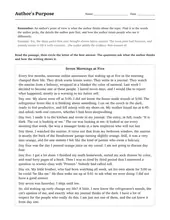
- Author's purpose Every writer has a reason for writing. The three big reasons are easy to remember as PIE: to Persuade (change your mind), to Inform (teach you facts), or to Entertain (tell you a fun story). To find the purpose, ask what the writer wants you to do after reading.
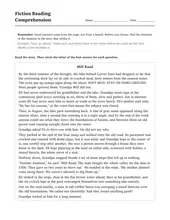
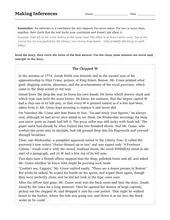
- Fiction reading comprehension The answers hide in the story. Read it once for fun, then go back and point to the exact sentence that proves each answer.
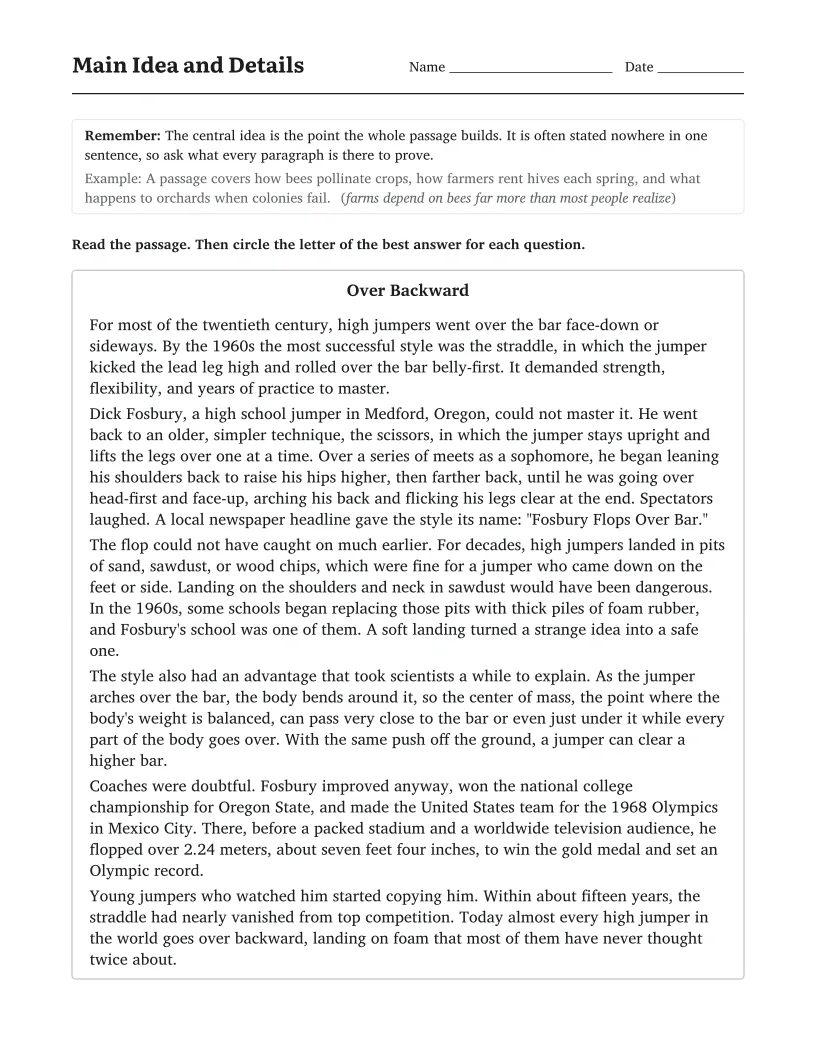
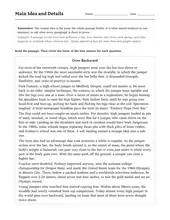
- Main idea and details The main idea is what the whole passage is about, in one sentence. The details are the smaller facts that back it up.
- Making inferences An inference is a smart guess the writer never says out loud. You mix a clue from the text with what you already know: if a character shivers and rubs her hands, you can infer she is cold.
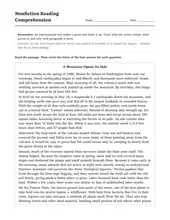
- Nonfiction reading comprehension Nonfiction is true information. Read to find out what the passage teaches, and be ready to point to the fact that answers each question.
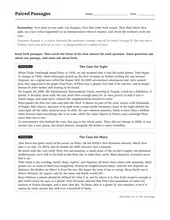
- Paired passages Two passages, one topic. Read both all the way through before you answer. Some questions are about one passage, some are about both, and the question always tells you which.
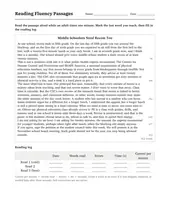
- Reading fluency passages Read the passage out loud for one minute. Read it the way you would talk: smooth, at a steady pace, and with the feeling the sentences call for. Fast is not the goal; smooth and accurate is.
Comprehension skills
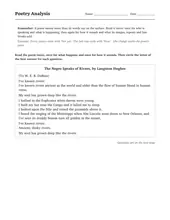
- Poetry analysis A poem means more than its words say on the surface. Read it twice: once for who is speaking and what is happening, then again for how it sounds and what its images, repeats and line breaks add.
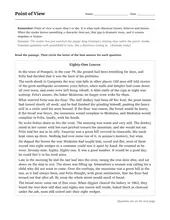
- Point of view Point of view is who tells the story. A character inside it says I. A narrator outside it says he, she, and names.
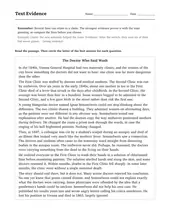
- Text evidence Evidence is the exact line that proves a point. Don't tell me the story says so. Show me the sentence where it says so.
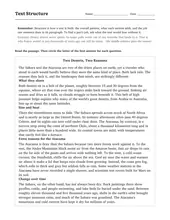
- Text structure Every information text has a shape: steps in time, two things compared, causes and effects, a problem and its fixes, or one thing described. Signal words give the shape away.
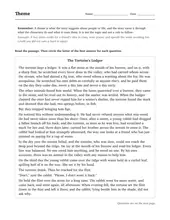
- Theme The theme is what a story teaches about life, said in a full sentence. Not what the story is about, but what it shows you.
All 8th grade English worksheets →
More 8th grade English: Grammar · Sentence structure · Punctuation · Spelling · Vocabulary · Writing
Reading comprehension at other grades: K · 1st · 2nd · 3rd · 4th · 5th · 6th · 7th