Kindergarten body parts worksheets
Body part words are the first labels most children learn to read: head, hand, foot, eye, nose. Writing one is what makes it stick, so this sheet asks for the word under each of twelve pictures instead of a line drawn across the page to it.
Free printable PDF worksheet.
Each print is a different sheet with its own answer key. You don't need to sign up.
Need one more? These are the skills next door at this grade.
The kind of pictures you'll get
Look at each picture. Which body part is it? Find the word in the word bank and write it on the line.
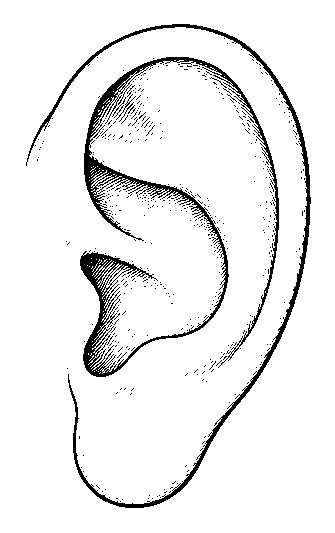 ear
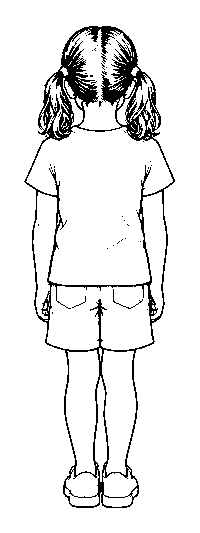 back
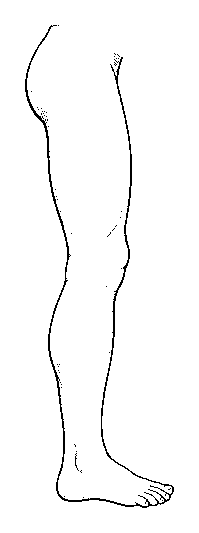 leg
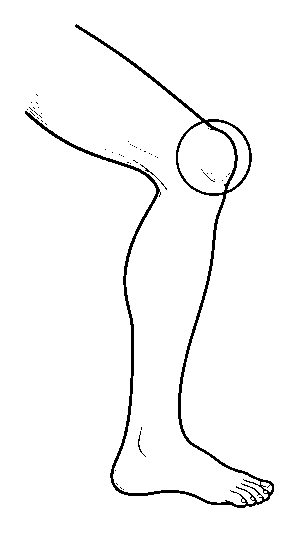 knee
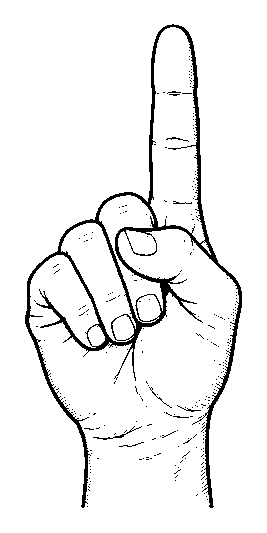 finger
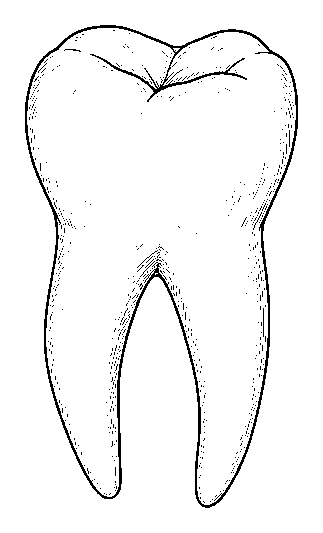 tooth
The sheet's own words sit in a bank at the top, shuffled, and every picture has a line under it. The child finds the word and writes it. The key lists the words in order.
Every print pulls a new set of pictures at this level, so a make-up test or a second sibling gets a different mix.
What's on a kindergarten sheet
Kindergarten sheets draw from 15 pictures, 12 to a page. Kindergarten and 1st grade print from the same 15 pictures. The teaching notes below are written for this grade.
Some of the words:
legtoothmouthnosefooteartonguefingerkneeheel
- Picture words. Look at each picture. Which body part is it? Find the word in the word bank and write it on the line. 12 pictures per page.
Every version prints on US Letter or A4, with its answer key on the last page.
How to teach this
Touch, say, write, in that order, every time. A child who has just touched their own ear finds the word faster than one hunting the bank. Do the obvious parts first and leave the harder ones for last; the sheet does not have to be worked top to bottom.
Watch for: Writing the bigger part. A picture of the elbow is not arm and a picture of the heel is not foot. Look at what the picture is showing you. One or two. The bank says eye, ear and toe, one each, so the word has no s on the end. Guessing the close ones. Hand, thumb and finger, and foot, toe and heel, all sit near each other. Touch your own before you write.
Common questions about kindergarten body parts
- Is there a standard behind this page?
- No language standard names body part vocabulary. It belongs to the classroom's own labelling unit and to early science, so the page is marked conventional.
- Why write the word instead of matching it?
- Because writing is the part that sticks. Matching a picture to a word can be done by shape; copying the word means reading it.
Related worksheets
- 1st grade body parts A step harder, same skill
- Kindergarten action words Same grade, nearby skill
- Kindergarten opposites Same grade, nearby skill
- Kindergarten positional words Same grade, nearby skill
- Kindergarten shades of meaning Same grade, nearby skill
- Body parts, all grades The full progression
- All kindergarten English worksheets Every skill at this level
- All kindergarten worksheets Everything at this level
Ready to print one?
Need a fresh set of pictures? Download another copy.
Reviewed by the One more sheet team. Content version 241, updated September 2026.
Spot a mistake on this sheet? Tell us. · About these worksheets