Making inferences worksheets
Each click picks one of the 26 passages written for this grade. Every sheet comes with its answer key. You don't need to sign up.
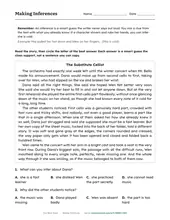
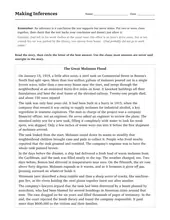
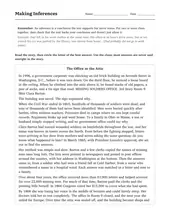
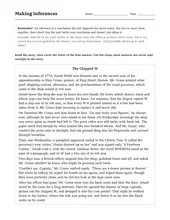
An inference is a smart guess the writer never says out loud. You mix a clue from the text with what you already know: if a character shivers and rubs her hands, you can infer she is cold.
Eight grades, six different sets of passages: 6th to 8th grade share one. Print one here, or open a grade for examples and teaching notes.
Print by grade
-
1st grade
First grade inference worksheets give your child a short story of about 100 words and four questions the story hints at but never answers outright. A boy with a wet coat and a dripping umbrella tells you it is raining. Your child puts a clue together with what they already know, and one question asks which clue gave the answer away.
-
2nd grade
Second grade making inferences worksheets give your child a short story and four questions the story hints at but never answers outright. To work out where the characters are or how someone feels, your child puts two clues together. One question asks which detail from the story backs up an idea.
-
3rd grade
An inference is a conclusion the writer hints at but never states. On these 3rd grade inferencing worksheets, your child reads a short passage and works out how a character feels, why they act, or what will happen next, using clues in the text plus what they already know.
-
4th grade Core grade
Each click picks one of the 26 passages written for this grade. Every sheet comes with its answer key. You don't need to sign up.
Fourth graders make inferences across longer stretches of a story and back every conclusion with the exact detail that supports it. On these 4th grade inference worksheets, most questions ask what a passage implies about feelings, motives, and character, not what one sentence says outright.
-
5th grade
Fifth graders infer across a whole story, tracking what a character wants, how they change, and what the writer implies but never states. Every conclusion rests on specific evidence, and the strongest reading is the one most clues point toward.
-
6th grade
Sixth graders infer from quieter evidence: a narrator whose view slants the telling, a detail that means more on a second read, a feeling nobody names. Questions ask what the text implies about what a character wants and why they act, and the key answer is the one the evidence supports best.
-
7th grade
Seventh graders infer from several pieces of evidence at once, which is the step up in the grade-7 standard. Questions ask what a character wants, why they act and what a detail suggests. The right answer often depends on two clues from different parts of the passage.
-
8th grade
Eighth graders choose the inference the text most strongly supports. The wrong options are readings a careless reader could get from one line, so the task is weighing all the evidence and picking what the passage backs best. Questions ask about motive, feeling and what a detail suggests.
More on reading passages
All reading comprehension worksheets →
Or all English worksheets: every grade, every topic.